No AI video tool will generate you a long video in one go; a few seconds per generation is a hard property of how the models work, not a limit someone forgot to raise. Long videos get made the way films always have: split the story into scenes, build each scene from shots, and join them. The real problem is not length. It is making a hundred separately generated pieces read as one film.
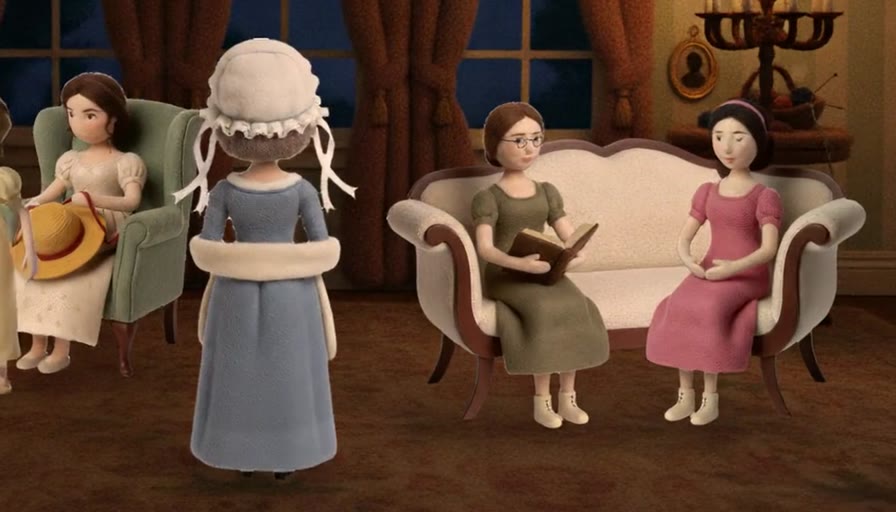
This is a cut-down of a Pride and Prejudice adaptation built entirely this way. The full film runs over ninety seconds of continuous story, across ballrooms, drawing rooms and a country road, and the same faces survive every location change:
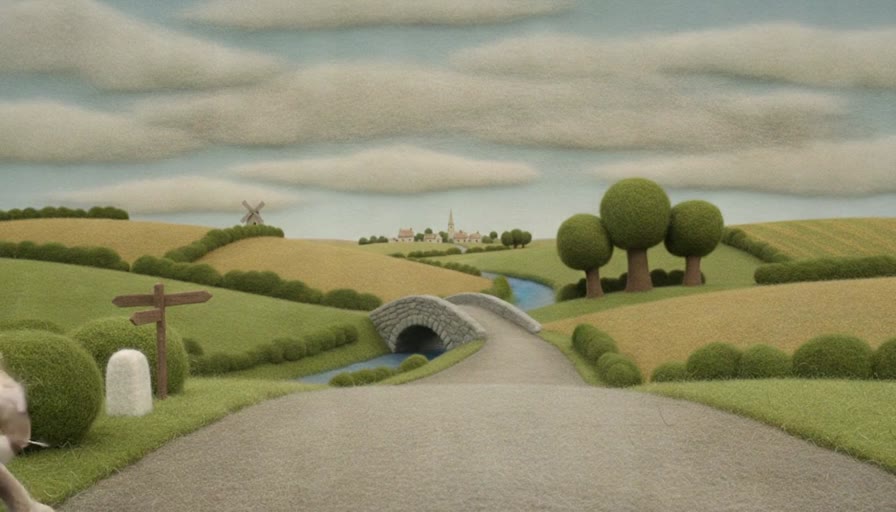
Frames from six points across the full piece. This is the test a long AI video has to pass: put minute three next to minute one and ask if it is still the same movie:
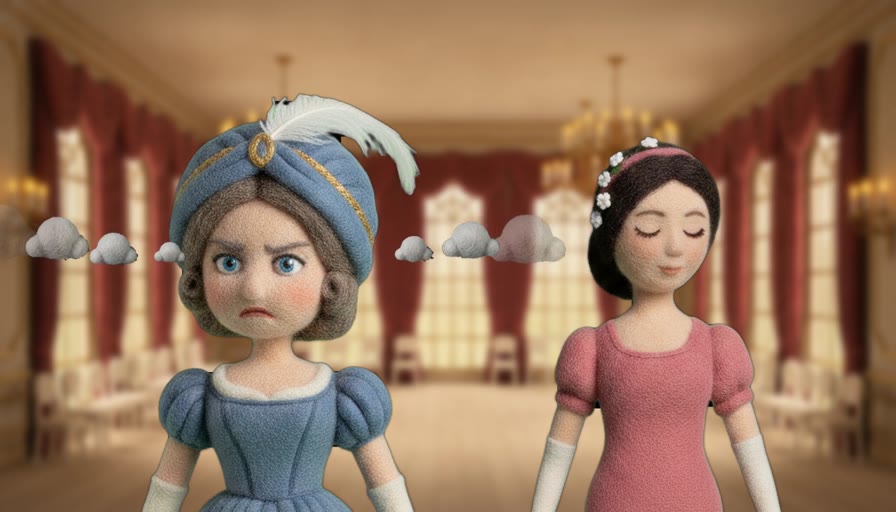
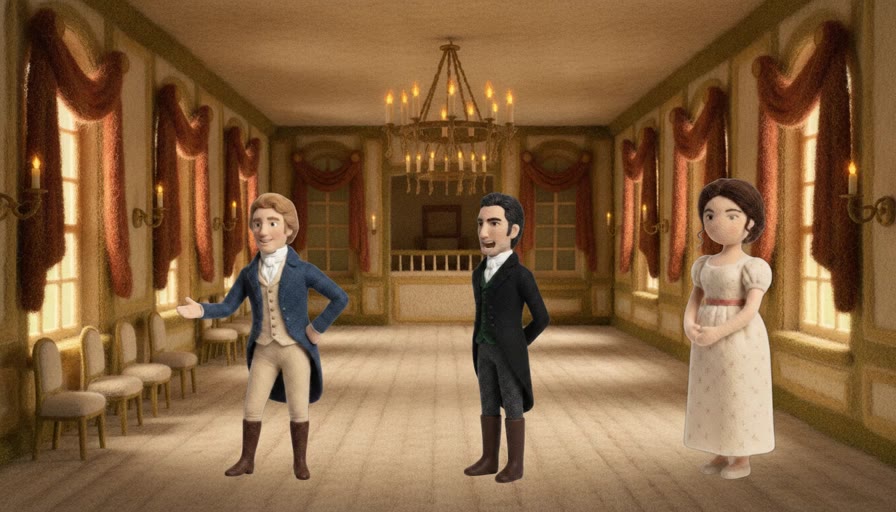
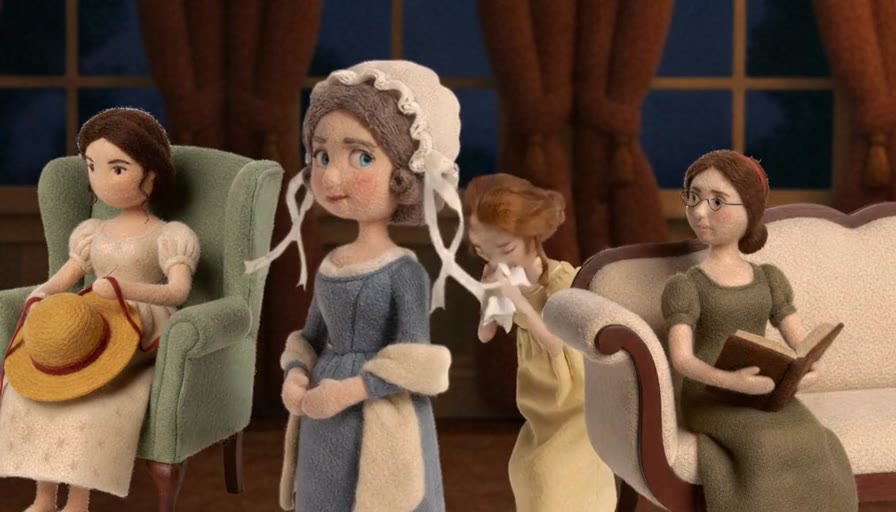

Characters. Re-interpreted per scene, your lead becomes a series of lookalikes and the audience notices in seconds. Every shot has to be generated from one fixed reference per character. Non-negotiable at length.
Places. The second scene in the drawing room must be the first drawing room. Locations need to be reusable objects with defined views, not fresh inventions per scene.
Light and grade. The quiet one. Each scene individually fine, every join a jolt, because dusk moved or the palette cooled. One declared style and time of day per location covers most of it.
Write the whole story first. The one-generation habit of improvising does not scale; restructuring after forty shots exist is the most expensive edit there is.
Storyboard by typing. A scene's beats become its keyframes directly. This is that step, live: a typed line becoming the next board of a felt-wool story:
Perfect one scene before multiplying. Style, faces, pacing, all of it, on one scene. Any flaw you wave through gets copied into every scene that follows.
Then produce the rest in parallel. Once continuity is pinned, scenes are independent jobs. This is where the schedule collapses from months to days.
Re-render surgically. Changing shot 14 must never mean re-rendering shots 1 through 13. If your tool cannot re-render one shot and splice it back, long work there is a treadmill.
Nearly every AI video tool can generate a clip. Very few can hold a cast across forty of them and re-render one shot without touching the rest, and that difference is the whole of long-form work. Nima was built around multi-scene films for exactly this reason: locked character references, reusable locations, per-shot rendering and splicing.
The 90-second Pride and Prejudice film above is a Nima project, produced scene by scene the way this guide describes. Start free and see the structure before building your own.
An hour. With this method our studio has made two hour-long animated films, both Sherlock Holmes stories: The Red-Headed League runs 60 minutes 44 seconds from 9,109 words of Conan Doyle's text, and each went up on YouTube in two parts. What grows with runtime is review: someone still has to watch and correct every scene, which is why the whole film is reviewed as a storyboard with the voices before anything is animated.
How much text half an hour or an hour takes, and the steps: how to make a 30 or 60 minute movie with AI.
Generation cost and instability climb steeply with clip length, so every tool caps the window. The cap moves up slowly with each model generation, but the scene-by-scene method is what works today and it will keep working when clips get longer.
Fix the things that must not vary, characters, locations, style, as reusable references that every generation is conditioned on, and let only the action vary per shot. Consistency is an input problem, not a post-production problem.
With the story written: an afternoon to get one scene right, then roughly an evening for the rest, because scenes parallelise. The bottleneck is your review time, not render time.
Yes. Our studio has made two hour-long animated films, both Sherlock Holmes stories, from the original text. The method is the one on this page: one fixed reference for every character and place, the film built scene by scene, and the whole of it reviewed before anything is animated.
Nima builds multi-scene films with per-shot re-rendering, so a fix to one shot never costs you the rest. Try it free.