You get past the ten second wall by building one scene out of several shots instead of asking for one long clip. Every AI video model caps a single generation at somewhere between five and fifteen seconds. A scene made of three shots with hard cuts between them runs twenty to thirty seconds, and if all three shots are rendered from the same character references inside one project, nothing has to be stitched by hand and nobody changes face at the join.
The cap is not a pricing decision. A video model generates every frame of a clip together, and the cost and the instability both climb steeply as the clip gets longer. Past a certain length, characters smear, backgrounds crawl and the end of the clip forgets the beginning. Each tool sets its limit just under the point where that starts.
So there is no long form AI video generator in the sense of a box that returns two unbroken minutes. What exists is tools that are better or worse at making many short generations read as one piece.
The method most people find first: generate a clip, save its last frame, feed that frame in as the first frame of the next clip, repeat, then join everything in an editor.
It works for two clips. By the fourth, three things have gone wrong. The character has drifted, because each generation copied a copy. The motion restarts at every seam, because each clip begins from a standstill. And you have spent most of your time exporting frames and lining up joins, which is the stitching tax.
There is also a creative cost. A chain of clips each continuing the last has no cuts. It is one unbroken take that slowly falls apart, and unbroken takes are the hardest thing in film to make watchable.
Films do not get long by running the camera longer. They get long by cutting. The average shot in a modern film lasts a few seconds, which is comfortably inside what an AI model can generate well.
So the fix for the ten second wall is editorial, not technical. Plan the scene as shots. Each shot is short. Between shots, cut.
That scene is roughly twice the ten second limit and no single generation in it is long. The kid on the path is one shot. The dragon at the pond is another. The chase is a third.
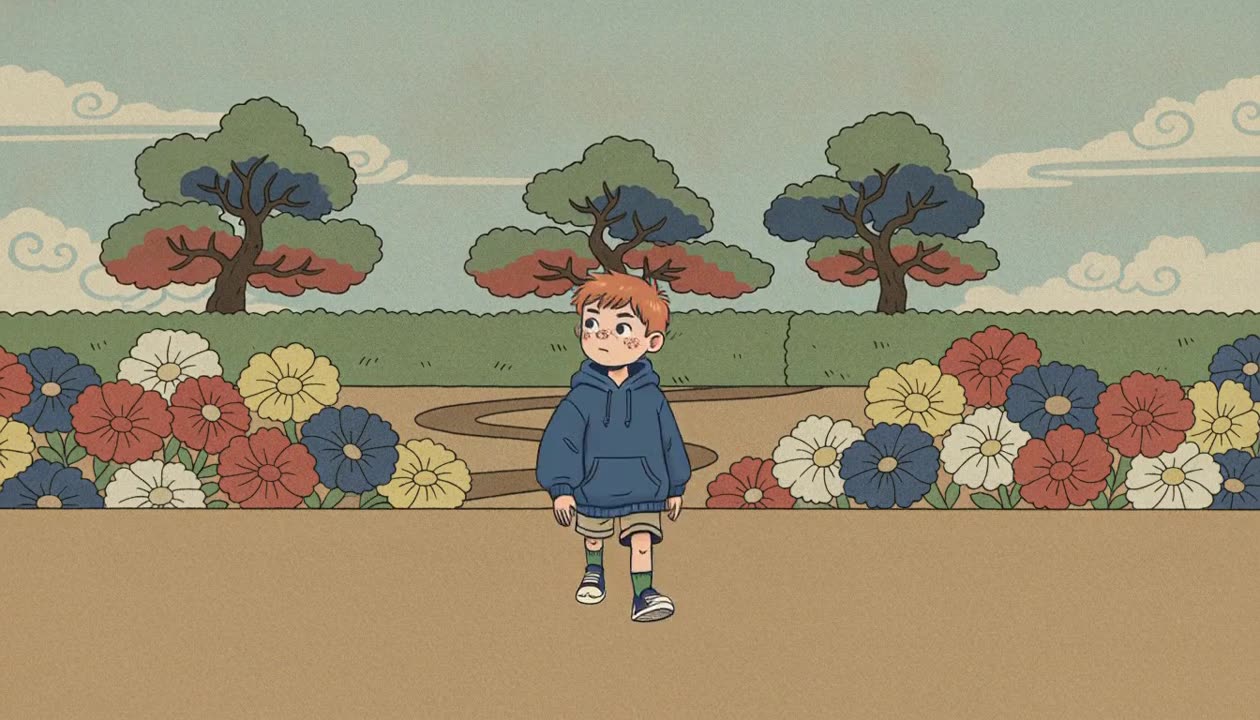
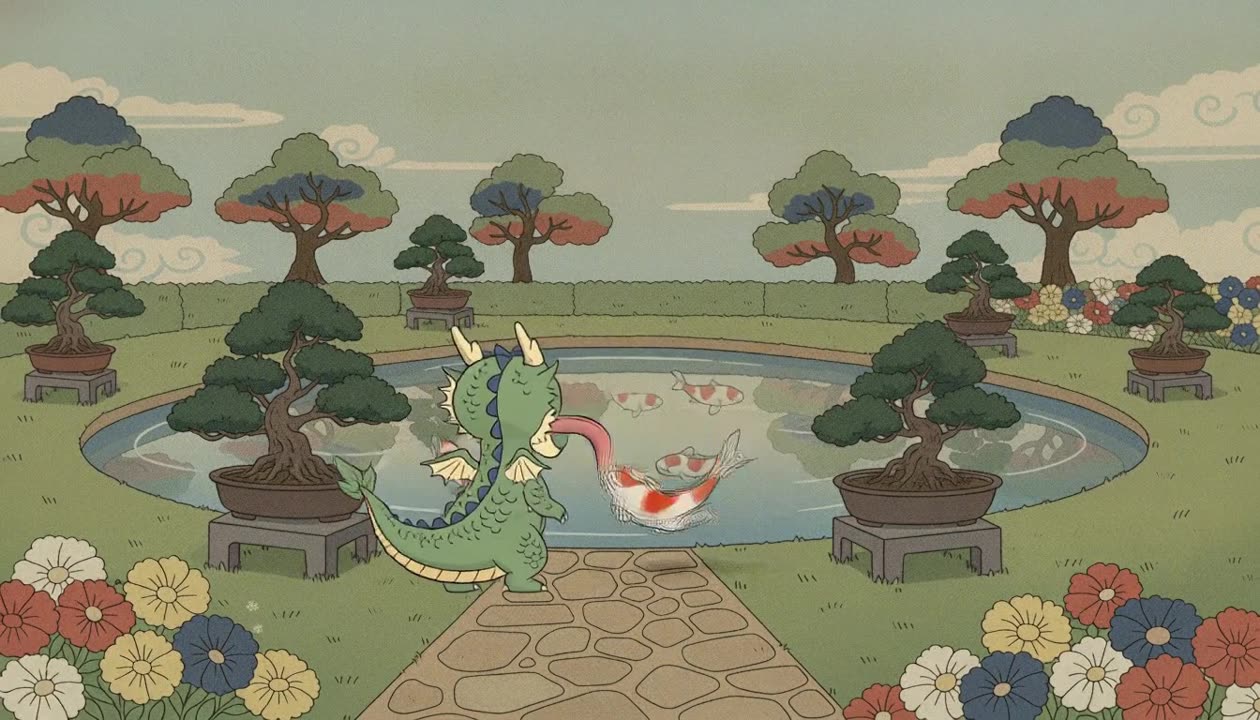
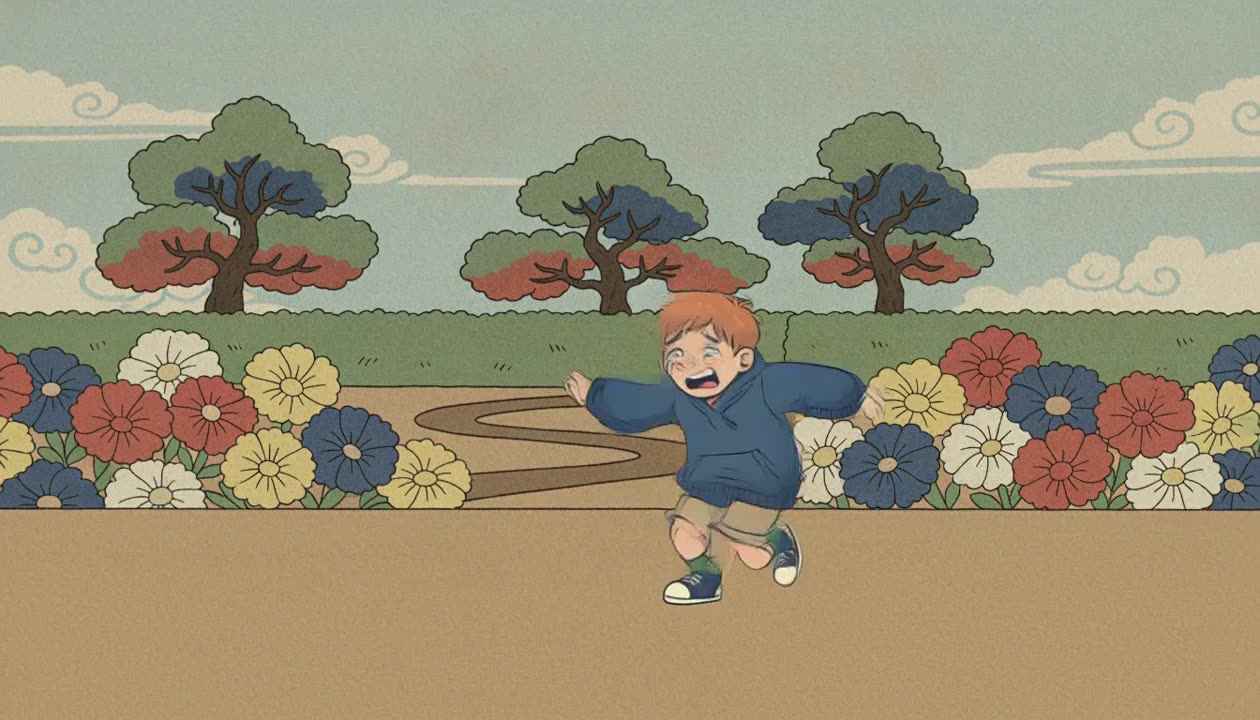
What makes it hold together is not the join. It is that all three shots were built from the same character references, so the kid in shot three is the kid from shot one by construction rather than by luck.
In Nima this is one project. The keyframe rail holds every shot of the scene, a dashed rule marks each hard cut, and the scene renders as a single video. A single continuous move still has a ceiling, a little under nine seconds between two cuts. The scene does not.
Cutting gets you past ten seconds. It does not make a film. A scene of twenty to thirty seconds is comfortable today. Beyond that the work is scenes, in order, with the same cast and the same places, and the limiting factor becomes your time reviewing them. How to make long AI videos covers that.
The free plan includes finished films you can open with every shot, keyframe and cut intact. Open Nima free.
Because a video model generates all the frames of a clip together, and both cost and instability rise steeply with length. Tools cap the clip just below the point where characters and backgrounds start to fall apart.
Not one that returns minutes of unbroken video from a prompt. Longer AI video is made from several short generations. The useful difference between tools is whether they keep the cast and the look the same across those generations and join them for you.
Do not chain clips from the last frame, because each generation copies a copy and the face drifts. Build each new shot from the original character reference instead, so every shot starts from the same source.
By hand: export each clip, line them up in an editor, and trim the joins. It works, and it is slow. If the tool supports several shots inside one scene, the join is done for you and a cut replaces the awkward continuation.
It depends on the model. In Nima a single continuous move between two cuts runs to a little under nine seconds. A scene can hold several of those.
No, it looks like a film. Most shots in films and television last a few seconds. A long unbroken take is the exception, and it is the hardest thing for an AI model to keep stable.
Nima builds a scene out of shots with hard cuts, rendered from the same locked characters, so a video runs past the ten second wall with nothing to stitch. Try it free.