Yes. AI-generated animation can be published and monetised on YouTube, Instagram and TikTok. YouTube requires you to tick an altered or synthetic content disclosure for realistic content that could mislead viewers, and confirms the label does not reduce reach or monetisation. Stylised animation usually falls outside that requirement, because nobody mistakes a claymation rabbit for footage. The real risk is not the AI. It is using someone else's characters, or publishing mass-produced filler.
YouTube. There is a disclosure toggle in Studio for altered or synthetic content. It applies to realistic visual or audio content that could mislead a viewer into thinking something fake is real, and not to obviously stylised or animated work. YouTube has stated the label does not reduce reach, distribution or monetisation eligibility. AI-assisted videos remain eligible for the Partner Program provided the content offers original value.
Instagram and Meta. Meta applies AI-info labelling to content detected or declared as AI-generated, with a disclosure control when you post. As with YouTube, the concern is realistic media rather than animation.
TikTok. Requires disclosure of realistic AI-generated content and applies its own labelling.
Platform rules change, so check the current policy pages before a launch that matters. This page describes the landscape rather than giving legal advice, and it is not a substitute for it.
Almost nobody is penalised for using AI. They are penalised for two other things, and both predate AI entirely.
Using someone else's characters. An AI-animated short starring a well-known studio's character is a copyright problem in exactly the way a hand-drawn one would be. The tool is irrelevant; the character is the issue. Original characters and genuinely public-domain works are the uncomplicated path, which is why so much AI adaptation starts with Austen, Verne and the Grimms.
Mass-produced filler. YouTube's inauthentic content policy targets high-volume, low-effort output such as text-to-speech over stock slideshows, with a strike system that can end in removal from the Partner Program. Note what this is actually about: it is not anti-AI, it is anti-slop. A crafted animated short with a story, characters and your judgement in it is a different category of thing.
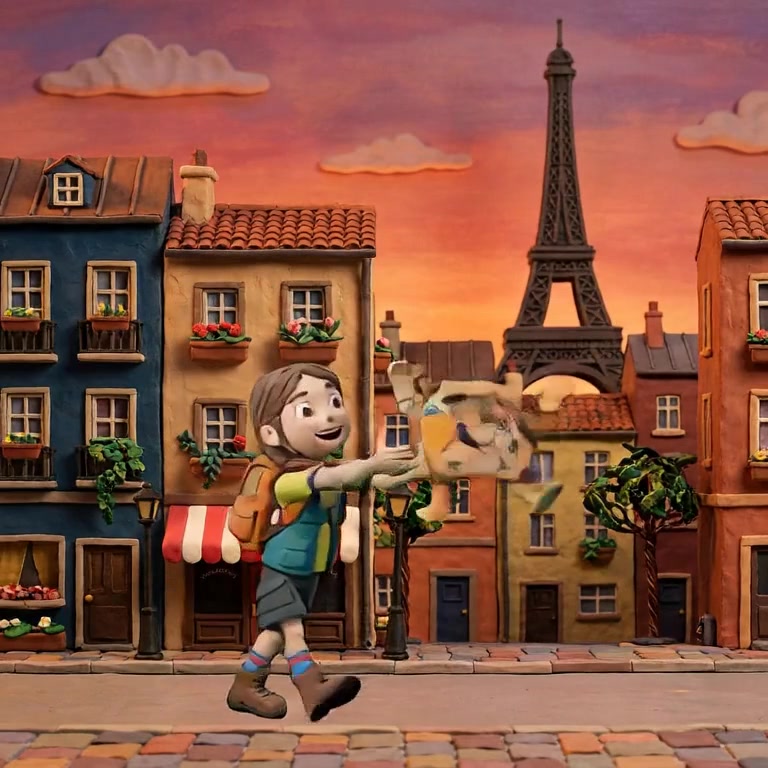
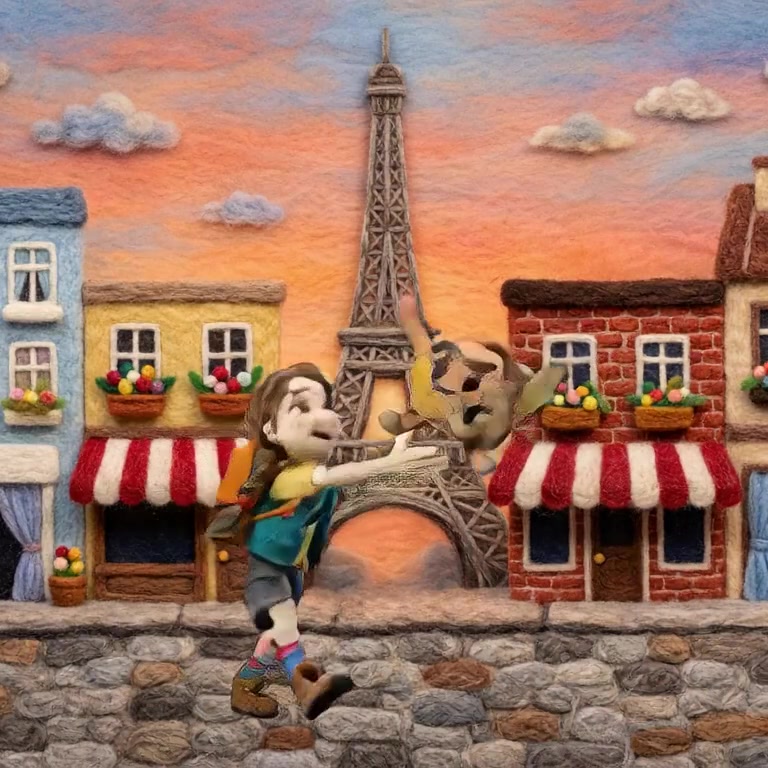
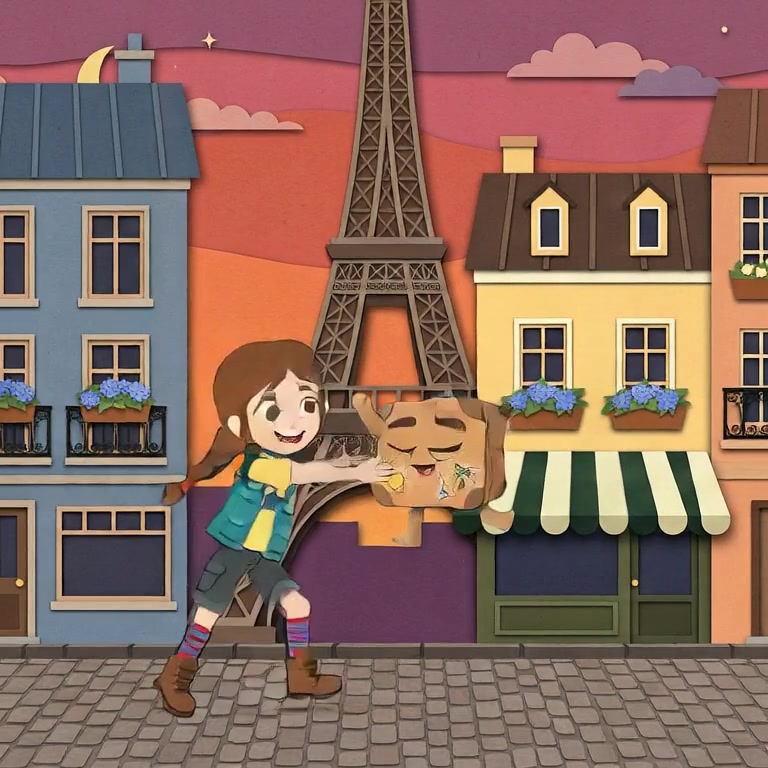
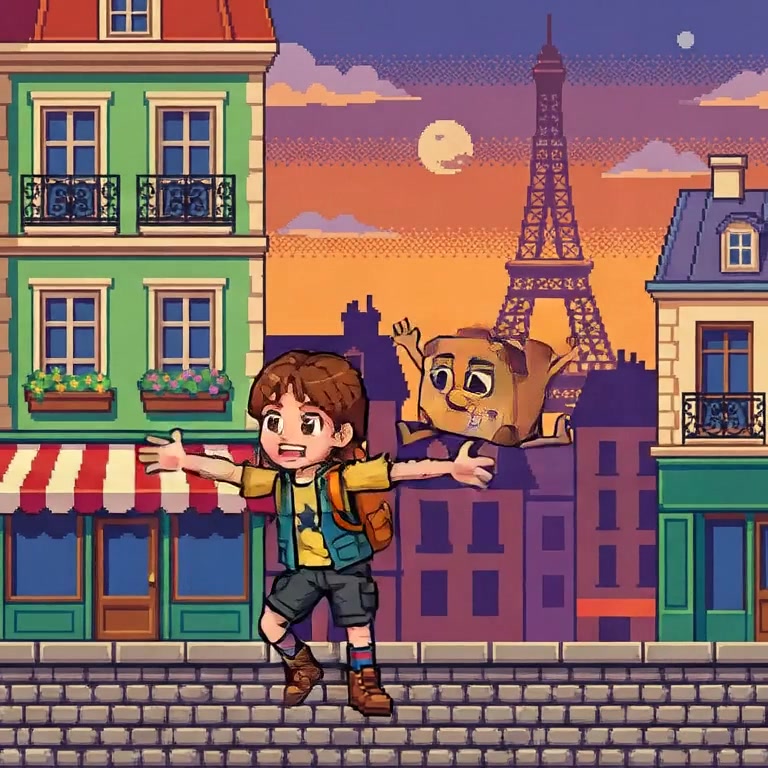
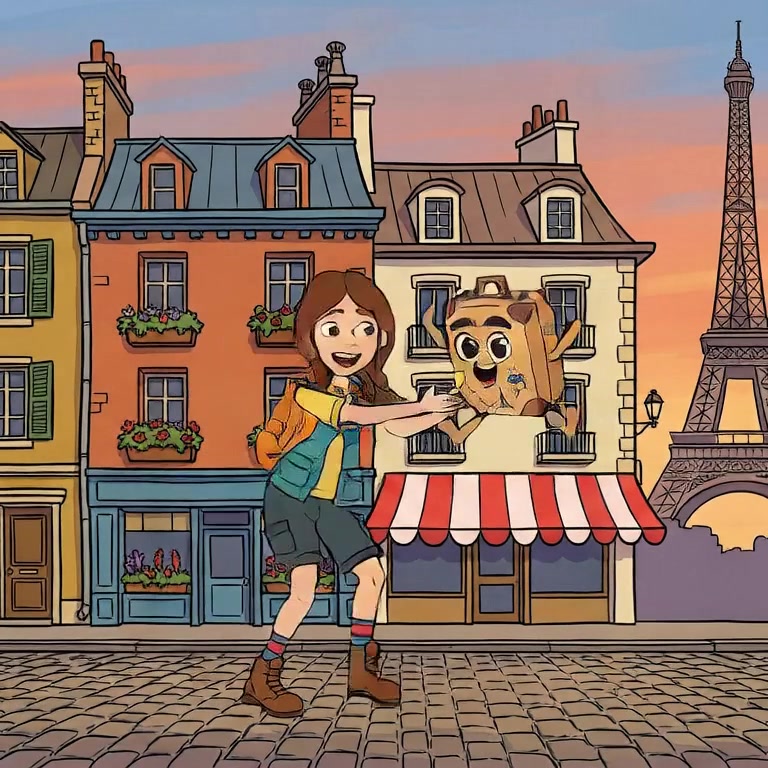
Styles like these are unmistakably illustrations rather than footage, which is the simplest way to stay clear of the realism question entirely.
Everything above points the same way: the safe version of this is your own characters, in an obviously stylised look, made with enough care that no volume filter is looking at you.
That is the shape of work Nima is built for. You create original characters and lock them as references, choose from nine stylised looks that nobody could mistake for footage, and build films shot by shot rather than mass-generating clips. None of that is a legal guarantee, and this page is not legal advice, but it does mean the two things that actually get creators penalised are not part of your workflow by default. Start free.
Two things trip up otherwise careful creators. Music is the commonest copyright claim on any video, AI or not: use licensed or royalty-free tracks and keep the licence. Synthetic voices are fine in general, but cloning a real person's voice without permission is a separate and serious problem, distinct from using a synthesized voice that belongs to no one.
Yes. AI-assisted content remains eligible for the YouTube Partner Program provided it offers original value and any required altered-or-synthetic disclosure is applied. YouTube has said the disclosure label does not reduce reach or monetisation eligibility.
In short: AI-made video is allowed, realistic altered or synthetic content must be disclosed with the label in the upload flow, and monetisation depends on original value rather than on how the video was made. Mass produced, repetitive or near duplicate uploads are what the Partner Program turns away, whether or not AI was involved. Clearly animated work is outside the realism rule. Check YouTube's current policy page before you rely on any summary, this one included.
The disclosure applies to realistic content that could mislead viewers into thinking something fake is real. Clearly stylised animation generally falls outside it. Disclosing anyway is harmless and is the safer default when you are unsure.
Meta applies AI-info labelling to content it detects or you declare as AI-generated, with a disclosure control at posting time. As with YouTube, the focus is realistic media rather than animation.
For using AI itself, no. For featuring someone else's characters, brands or music, yes, exactly as you would with any other technique. Original characters, public-domain source material and licensed music remove nearly all of that risk.
That depends on your tool's terms rather than platform policy, and free tiers commonly exclude commercial use. Check the licence attached to your plan before selling or running client work.
Nima is built for original stories with your own characters, which is the uncomplicated path to publishing. Try it free.